
How Is Wine Made? A Guide To Wine Making
Wine has been enjoyed for thousands of years, yet many people have little idea how a handful of grapes eventually become the bottle sitting on a restaurant table or shop shelf.
If you've ever wondered how wine is made, you're not alone. Whether you're simply curious about the process or interested in understanding what happens behind the scenes, learning about wine making can help you appreciate every glass a little more.
While the basic principle is surprisingly simple, grapes fermenting into alcohol, producing quality wine requires careful decisions at every stage, from the vineyard to the bottle.
The Short Answer: How Does Wine Become Wine?
Wine is made by harvesting grapes, crushing them to release their juice, allowing natural or added yeast to ferment the sugars into alcohol, and then ageing, clarifying and bottling the finished product.
The exact process varies depending on the style of wine being produced. Red, white, rosé and orange wines are all made slightly differently, despite often using many of the same grape varieties.
It All Starts In The Vineyard
Every bottle of wine begins with grapes.
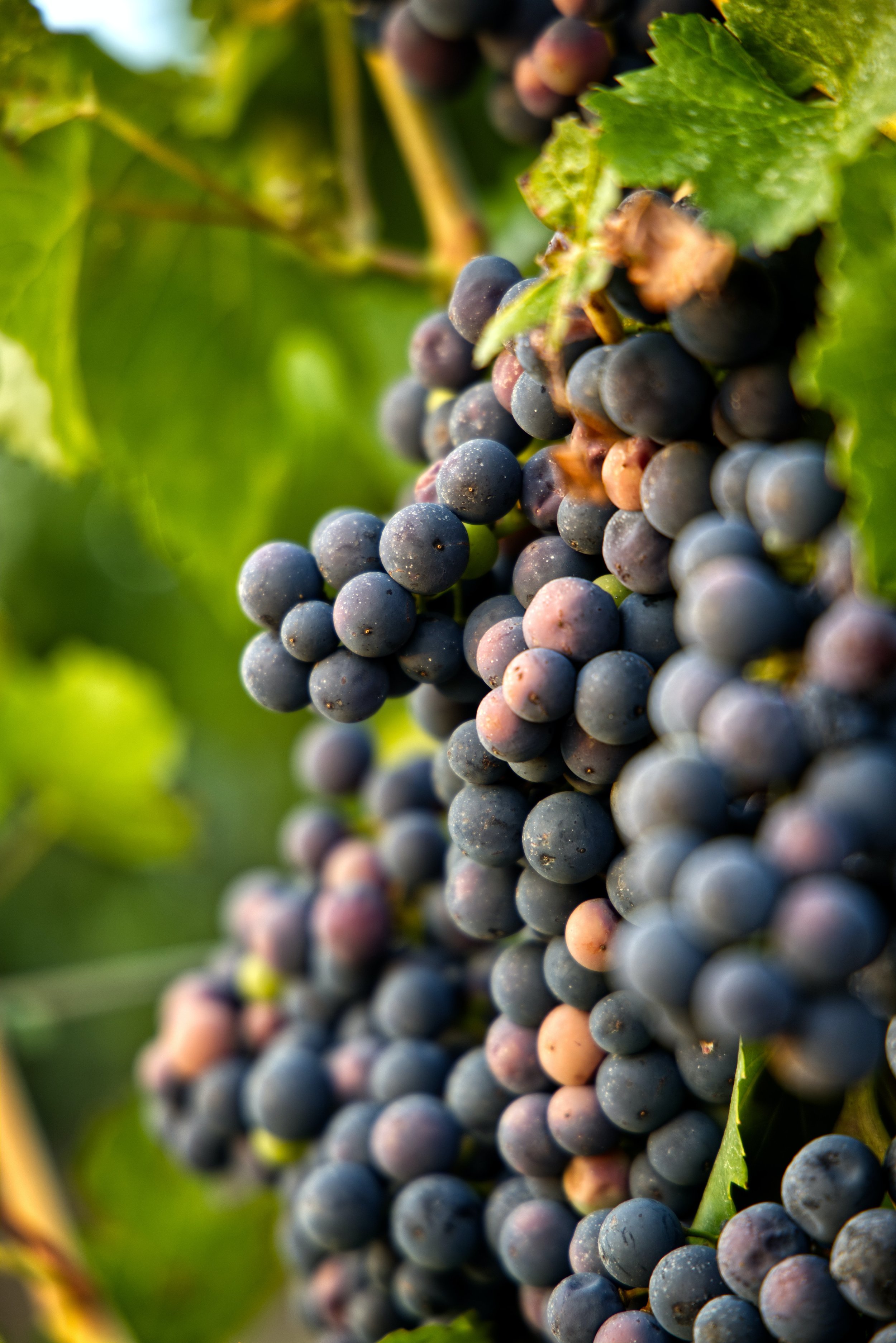
Unlike table grapes found in supermarkets, wine grapes are specifically cultivated for wine making. They tend to be smaller, sweeter and contain thicker skins, which contribute flavour, colour and tannins to the finished wine.
The quality of the grapes is influenced by factors such as:
Climate
Soil type
Sunlight exposure
Rainfall
Vineyard management
Harvest timing
This combination of environmental conditions is often referred to as "terroir", a French term used to describe how a vineyard's location influences the character of the wine.
Harvesting The Grapes
Once the grapes reach the desired level of ripeness, they are harvested.
Some vineyards harvest by hand, while others use mechanical harvesters. The choice often depends on the vineyard's size, terrain and the style of wine being produced.
Harvest timing is critical because grapes need the right balance of:
Sugar
Acidity
Flavour development
Tannin ripeness
Harvest too early and the wine may taste sharp and underdeveloped. Harvest too late and it may become overly alcoholic or lose freshness.
Crushing & Pressing
After harvesting, the grapes are sorted and processed. The first stage is usually crushing, which breaks the skins and releases the juice. What happens next depends largely on the type of wine being made.
Red Wine Making
For red wine, the grape skins remain in contact with the juice during fermentation.
This skin contact provides:
Colour
Tannins
Structure
Additional flavour compounds
Popular red wine varieties include:
Merlot
Cabernet Sauvignon
Pinot Noir
Syrah
Malbec
White Wine Making
For white wine, the grape skins are typically removed before fermentation begins.
Only the juice is fermented, creating a lighter style with less tannin and a fresher profile.
Popular white wine varieties include:
Sauvignon Blanc
Chardonnay
Pinot Grigio
Riesling
Chenin Blanc
Rosé Wine Making
Rosé wine is generally produced by allowing red grape skins to remain in contact with the juice for only a short period.
This brief contact gives the wine its pink colour while maintaining much of the freshness associated with white wine.
Orange Wine Making
Orange wine has become increasingly popular in recent years.
Despite its name, it is not made from oranges.
Orange wine is produced using white grapes, but unlike traditional white wine, the skins remain in contact with the juice during fermentation.
This creates deeper colours, more texture and often more complex flavours.
Fermentation: The Stage That Creates Alcohol
Fermentation is where wine truly begins to take shape.
Yeast consumes the natural sugars found in grape juice and converts them into:
Alcohol
Carbon dioxide
Heat
Various flavour compounds
This process can last anywhere from several days to several weeks depending on:
Wine style
Temperature
Grape variety
Winemaker preference
Some producers rely on naturally occurring wild yeasts, while others use selected cultured yeasts to achieve specific flavour profiles and consistency.

Maturation & Ageing
Once fermentation is complete, the young wine often enters a maturation period.
This allows flavours to develop and integrate before bottling.
Ageing can take place in:
Stainless steel tanks
Concrete vessels
Oak barrels
Large wooden casks
Each option influences the final wine differently.
For example, oak ageing can add notes such as:
Vanilla
Spice
Toast
Coconut
Smoke
Not all wines are aged for long periods. Many modern wines are designed to be enjoyed while young and fresh.
Clarification & Stabilisation
Before bottling, winemakers usually clarify the wine to remove unwanted particles and improve appearance.
This may involve:
Settling
Filtration
Fining
The goal is to create a clear, stable wine that remains consistent once bottled.
Different producers take different approaches. Some natural wines undergo minimal intervention and may appear slightly cloudy, which is perfectly normal for that style.
Bottling The Finished Wine
The final stage is bottling.
Once bottled, some wines are released immediately, while others continue ageing before reaching consumers.
The closure used may vary and include:
Natural cork
Technical cork
Synthetic cork
Screw cap
Despite common misconceptions, screw caps do not necessarily indicate lower quality. Many highly respected producers use them to maintain freshness and consistency.
Can You Make Wine At Home?
Technically, yes.
Many enthusiasts experiment with making wine from grapes, fruit concentrates or wine making kits using specialist wine making supplies.
However, producing high-quality wine consistently is more challenging than many people expect.
Professional wineries carefully control:
Grape quality
Fermentation temperatures
Hygiene standards
Oxygen exposure
Ageing conditions
Small mistakes during fermentation or storage can significantly affect the final result.
For many wine lovers, learning about wine often proves more enjoyable than attempting to produce it themselves.
Why Different Wines Taste So Different
Even when two wines are made from the same grape variety, they can taste remarkably different.
Factors influencing flavour include:
Grape variety
Vineyard location
Climate
Harvest timing
Fermentation method
Ageing process
Winemaking decisions
This is why wine remains such a fascinating subject for enthusiasts and professionals alike.

Common Questions About Wine Making
How Long Does It Take To Make Wine?
Most wines take several months to produce, although some premium wines may age for several years before release
What Is The Difference Between Red & White Wine Production?
The main difference is skin contact. Red wines ferment with grape skins, while white wines are usually fermented without them.
What Turns Grape Juice Into Alcohol?
Yeast converts natural grape sugars into alcohol during fermentation.
Is Orange Wine Made From Oranges?
No. Orange wine is made from white grapes that ferment with their skins, creating a deeper colour and fuller texture.
Is Wine Made From Fresh Grapes?
Yes. Most quality wines are made from freshly harvested wine grapes grown specifically for wine production.
Understanding Wine Makes Every Glass More Enjoyable
The journey from vineyard to bottle involves far more than simply crushing grapes and waiting for alcohol to develop. Every stage, from harvesting and fermentation to ageing and bottling, influences the final character of the wine.
Understanding how wine is made can help you appreciate the differences between wine styles, recognise the craftsmanship involved, and make more informed choices when selecting your next bottle.
If you're interested in exploring different wine styles and discovering how production methods influence flavour, take a look at the tasting experiences available at Taste First and experience the differences for yourself.