
Ever poured yourself a glass of wine and felt that something wasn't quite right? Perhaps your red tasted heavier than expected, or your white seemed to lack flavour. The temperature of your wine could be making more difference than you think.
Knowing how to serve wine at the right temperature is one of the easiest ways to improve its taste, aroma and overall enjoyment. And you don't need specialist equipment or years of wine knowledge to get it right.
At Taste First, we believe enjoying wine should be straightforward. Whether you're opening a favourite bottle with dinner, entertaining friends or trying something new, a few simple temperature adjustments can help you appreciate what's in your glass.
Here's everything you need to know, including why you might want to chill red wine and how to find the best wine temperature for different styles.
The Ideal Serving Temperature for Every Type of Wine
The best temperature to serve wine depends on its style, body and characteristics.
As a general guide, sparkling wines taste best well chilled, most whites benefit from being served cool, and reds are usually better slightly below modern room temperature.
| Wine Type | Recommended Serving Temperature |
|---|---|
| Sparkling wine, including Prosecco and Cava | 6–10°C |
| Light, crisp whites, such as Sauvignon Blanc and Pinot Grigio | 7–10°C |
| Fuller-bodied whites, such as oaked Chardonnay | 10–13°C |
| Dry rosé | 8–12°C |
| Light-bodied reds, such as Pinot Noir | 12–14°C |
| Medium-bodied reds, such as Merlot | 14–16°C |
| Full-bodied reds, such as Cabernet Sauvignon | 16–18°C |
These temperatures are useful starting points rather than strict rules. Different wines, even those made from the same grape, can taste better at slightly different temperatures.
The aim isn't to achieve a perfect number every time. It's to serve your wine at a temperature that brings out its flavours without making it feel too warm or too cold.

Why Does Wine Serving Temperature Matter?
Temperature affects how you experience a wine's aroma, flavour, freshness and texture.
Serve a wine too cold, and its aromas can become less noticeable. Serve it too warm, and the alcohol may become more prominent, making the wine seem heavier than intended.
Understanding these effects makes it easier to get the most from each bottle.
Serving Wine Too Cold Can Hide Its Flavours
Chilling wine reduces the release of many of its aromatic compounds.
That's why a white wine served straight from a particularly cold fridge might initially seem less expressive than expected.
As it warms slightly in the glass, you may notice more fruit, floral or other characteristic aromas appearing.
Fuller-bodied whites are especially interesting in this respect. A rich Chardonnay may reveal more of its texture and complexity when served a little warmer than a crisp Sauvignon Blanc.
Serving Wine Too Warm Can Make Alcohol More Noticeable
When wine becomes too warm, its alcohol can seem more pronounced.
This is particularly noticeable with fuller-bodied red wines.
A red served at 22°C may feel heavier and less balanced than the same wine served at 16–18°C.
Cooling it slightly can help its fruit flavours, acidity and structure feel more harmonious.
The Right Temperature Helps Wine Feel Balanced
A well-balanced wine brings its different characteristics together.
Acidity contributes freshness, tannins create structure in many red wines, and fruit flavours provide much of the wine's character.
Temperature influences how these elements are perceived.
Getting the serving temperature right won't transform a poor wine into a brilliant one, but it can help a good bottle show its best qualities.
Should You Chill Red Wine?
Yes, and it's one of the simplest wine-serving tips worth remembering.
Many people grow up hearing that red wine should always be served at room temperature. The problem is that modern homes are often considerably warmer than the temperatures traditionally associated with this advice.
If your living room is around 21–23°C, your red wine may be warmer than ideal.
A short spell in the fridge can make a noticeable difference.
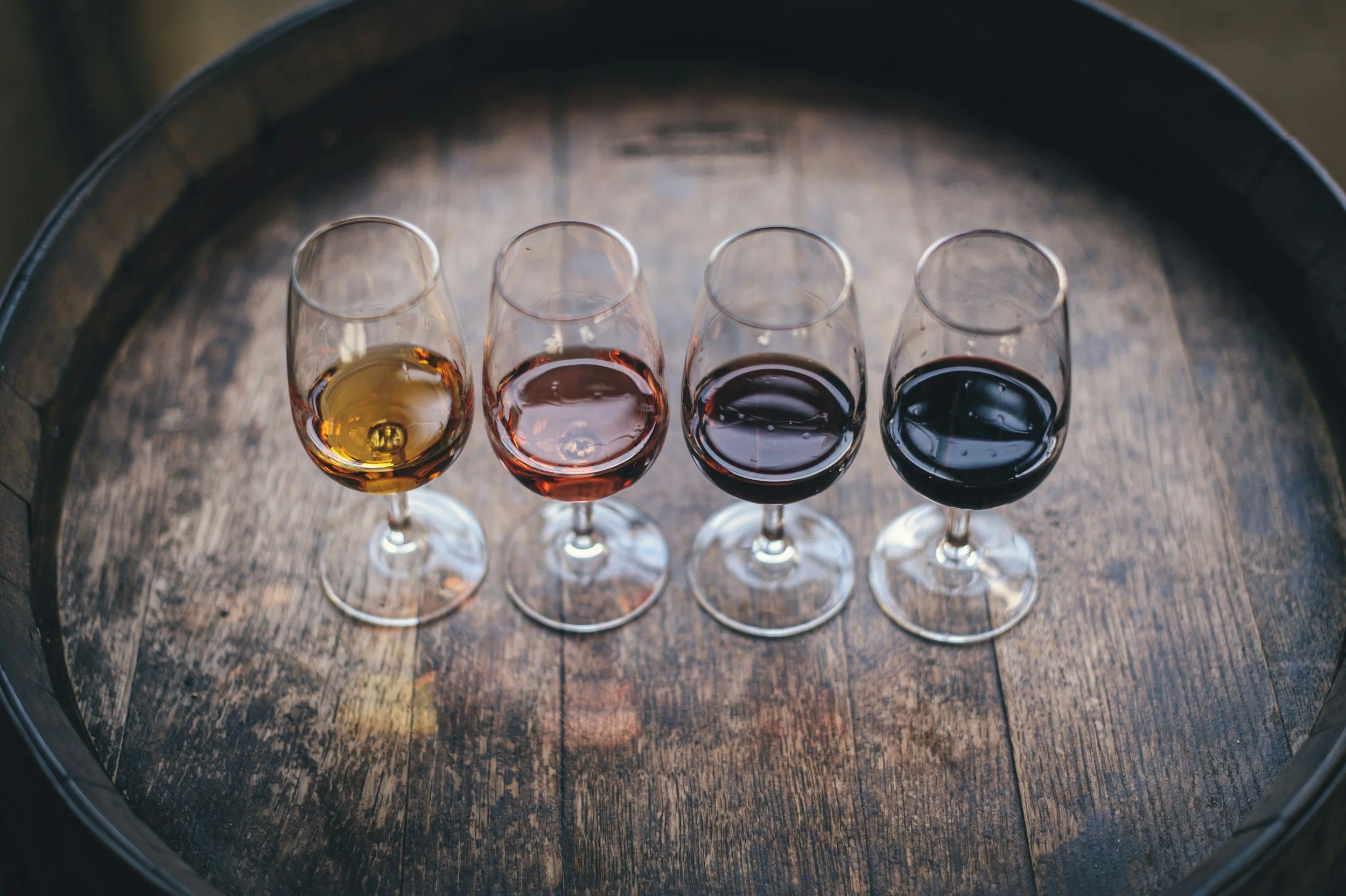
Which Red Wines Benefit Most From Chilling?
Lighter-bodied reds are particularly suitable for serving slightly chilled.
Examples include:
Pinot Noir: Often more refreshing around 12–14°C, especially lighter, fruit-driven examples.
Beaujolais: Many light, fruity styles are enjoyable around 12–14°C.
Gamay: Can taste lively and refreshing when served cooler than heavier reds.
Light Italian reds: Some fruit-forward styles can benefit from a gentle chill, depending on their structure.
These wines often have fresh fruit flavours and relatively gentle tannins, making them enjoyable at cooler temperatures.
You don't need to serve them as cold as white wine. The goal is a refreshing coolness rather than an icy chill.
What Should You Look for When Choosing a Wine to Reorder?
Finding a favourite is one thing. Deciding whether to buy it again is another.
Before reordering, consider a few practical questions.
What About Merlot, Malbec and Cabernet Sauvignon?
Fuller-bodied red wines also benefit from temperature control, although they generally need less chilling.
Merlot often works well around 14–16°C, while richer Malbec and Cabernet Sauvignon styles may be better closer to 16–18°C.
Serving a structured red too cold can make its tannins feel firmer and its fruit aromas less expressive.
If you're unsure, start slightly cooler and allow the wine to warm gradually in your glass.
It's much easier to let wine warm naturally than to cool an already poured glass.
How Long Should You Chill Wine Before Serving?
You don't need a specialist wine fridge to serve wine at a suitable temperature.
An ordinary fridge, a little planning and a few simple adjustments are usually enough.
The time required depends on the bottle's starting temperature, your fridge settings and the wine's style.
How to Chill Red Wine Quickly
If your red wine has been stored in a warm room, try placing it in the fridge for approximately 20–30 minutes before serving.
For lighter reds, you may prefer a little longer.
These are approximate timings, not guarantees of a particular temperature.
If the bottle feels pleasantly cool rather than cold, it's often a good starting point.
How to Serve White Wine Without Overchilling It
Most white wines can be stored in the fridge before serving.
However, if you're opening a fuller-bodied white, consider removing it around 15–20 minutes beforehand.
This allows the wine to warm slightly and may help reveal more of its aromas and texture.
Lighter whites usually benefit from remaining cooler, especially when their freshness is part of their appeal.
The Fastest Way to Cool a Bottle of Wine
If you've forgotten to chill a bottle, an ice bucket is a useful solution.
Fill a bucket or large container with a mixture of ice and cold water, then place the bottle inside.
Water helps transfer the cold more effectively than ice alone.
Depending on the starting temperature and desired result, a bottle may become noticeably cooler within 10–20 minutes.
For faster chilling, adding a little salt to the ice-water mixture can help lower its temperature.
A useful tip is to rotate the bottle gently now and again to encourage more even cooling.
Avoid relying on the freezer unless you set a reliable reminder. Bottles can be forgotten, and freezing wine may damage the bottle or closure.
How to Serve Sparkling Wine at the Right Temperature
Sparkling wines, including Prosecco, Cava and Champagne, generally benefit from being served colder than still wines.
A temperature of around 6–10°C helps maintain their refreshing character and makes the bubbles feel more balanced.
However, serving sparkling wine extremely cold can reduce the aromas you notice.
This is particularly relevant to more complex sparkling wines, where subtle flavours are an important part of the experience.
Does the Glass Make a Difference?
It can.
Tall, narrow flutes help preserve the visual effect of bubbles, but glasses with a slightly wider bowl can make it easier to appreciate a sparkling wine's aromas.
You don't need expensive glassware to enjoy a bottle.
A clean, suitable wine glass is often enough.
If you're serving sparkling wine at a gathering, keeping the bottle in an ice bucket between pours can also help maintain a consistent temperature.
Common Wine Temperature Mistakes to Avoid
Even experienced wine drinkers can fall into habits that don't necessarily bring out the best in a bottle.
Here are some common mistakes worth avoiding.
Serving Every Red Wine at Room Temperature
Not all reds should be served at the same temperature.
A light Pinot Noir and a full-bodied Cabernet Sauvignon can have very different characteristics, so treating them identically may not produce the best result.
Consider the wine's body and style rather than relying on the colour alone.
Keeping Every White Wine Ice-Cold
While refreshing whites often benefit from chilling, richer whites may lose some of their character when served too cold.
If a Chardonnay seems unusually subdued, allow it to warm slightly before making a judgement.
Leaving Wine in Direct Sunlight
Wine can warm surprisingly quickly when left outside on a sunny table.
This is especially relevant during summer gatherings or garden parties.
Keep bottles in the shade, use an ice bucket where appropriate and pour smaller amounts so the wine doesn't spend too long warming in the glass.
Forgetting That Wine Changes Temperature After Pouring
The temperature in the bottle isn't necessarily the temperature you'll experience throughout the glass.
Wine begins adjusting to its surroundings once poured.
A chilled white will gradually warm, while a slightly cool red may become more expressive over several minutes.
Rather than rushing, notice how its flavour changes as the temperature shifts.
Do Different Grape Varieties Need Different Serving Temperatures?
Yes, although the wine's overall style often matters more than the grape name alone.
Take Chardonnay, for example.
A light, unoaked Chardonnay may taste particularly refreshing around 9–11°C.
A richer, oak-aged Chardonnay might show more complexity at 11–13°C.
Both wines come from the same grape, yet their ideal serving conditions can differ.
The same applies to red wine.
A lighter, fruit-driven Merlot might taste better slightly cooler than a powerful, oak-aged example.
This is one reason we enjoy introducing different wine styles during our Taste First tastings. Comparing wines helps people understand how grape variety, region, production and serving conditions influence the final experience.
There's no need to memorise complicated temperature charts. Once you understand the basic differences between lighter and fuller-bodied wines, choosing a suitable serving temperature becomes much more intuitive.
How to Check Wine Temperature Without a Thermometer
A wine thermometer can be useful, but it isn't essential for enjoying wine at home.
If you don't have one, start with these simple guidelines.
Sparkling wine: The bottle should feel properly chilled.
Light white wine: Cool and refreshing, but not so cold that its flavours seem muted.
Fuller-bodied white wine: Cool rather than ice-cold.
Light red wine: Slightly chilled, especially in warmer rooms.
Full-bodied red wine: Cooler than a typical heated living room, but not refrigerator-cold.
The most helpful test is tasting the wine.
If a white seems to lack flavour, give it a few minutes to warm.
If a red tastes overly alcoholic or heavy, cool the bottle slightly and compare.
You may be surprised by how much difference a small adjustment makes.
Frequently Asked Questions
-
Most red wines are best served between 12°C and 18°C, depending on their style. Lighter reds usually benefit from cooler temperatures, while fuller-bodied wines are generally better served around 16–18°C.
-
Yes, particularly if it has been stored in a warm room. Placing red wine in the fridge for approximately 20–30 minutes can help bring it closer to a suitable serving temperature. Lighter reds may benefit from additional chilling.
-
Most white wines are enjoyable between 7°C and 13°C. Crisp, lighter whites generally taste best towards the cooler end, while fuller-bodied whites can benefit from slightly warmer temperatures that allow their aromas to develop.
-
Yes. When wine is served too cold, its aromas can become less noticeable, making it harder to appreciate its full flavour. Allowing the wine to warm gradually in the glass can help reveal more of its character.
-
Usually not. Serving wine too warm or too cold mainly affects how you perceive its flavours and aromas. Adjusting the temperature can often improve the experience. However, prolonged exposure to excessive heat can permanently damage wine.
Enjoy Every Glass at Its Best
Learning how to serve wine at the right temperature doesn't need to be complicated.
A few simple habits can make a real difference, whether that's giving a bottle of red 20 minutes in the fridge, allowing a rich white to warm slightly or keeping sparkling wine properly chilled.
The most important thing is remembering that wine is about personal enjoyment.
Temperature recommendations are helpful starting points, but your own preferences matter just as much.
Next time you open a bottle, try serving it slightly cooler or warmer than usual and see whether you notice a difference.
And if you'd like some friendly guidance on choosing wines that suit your taste, explore Taste First and our wine tasting experiences. We'd be delighted to help you discover your next favourite.